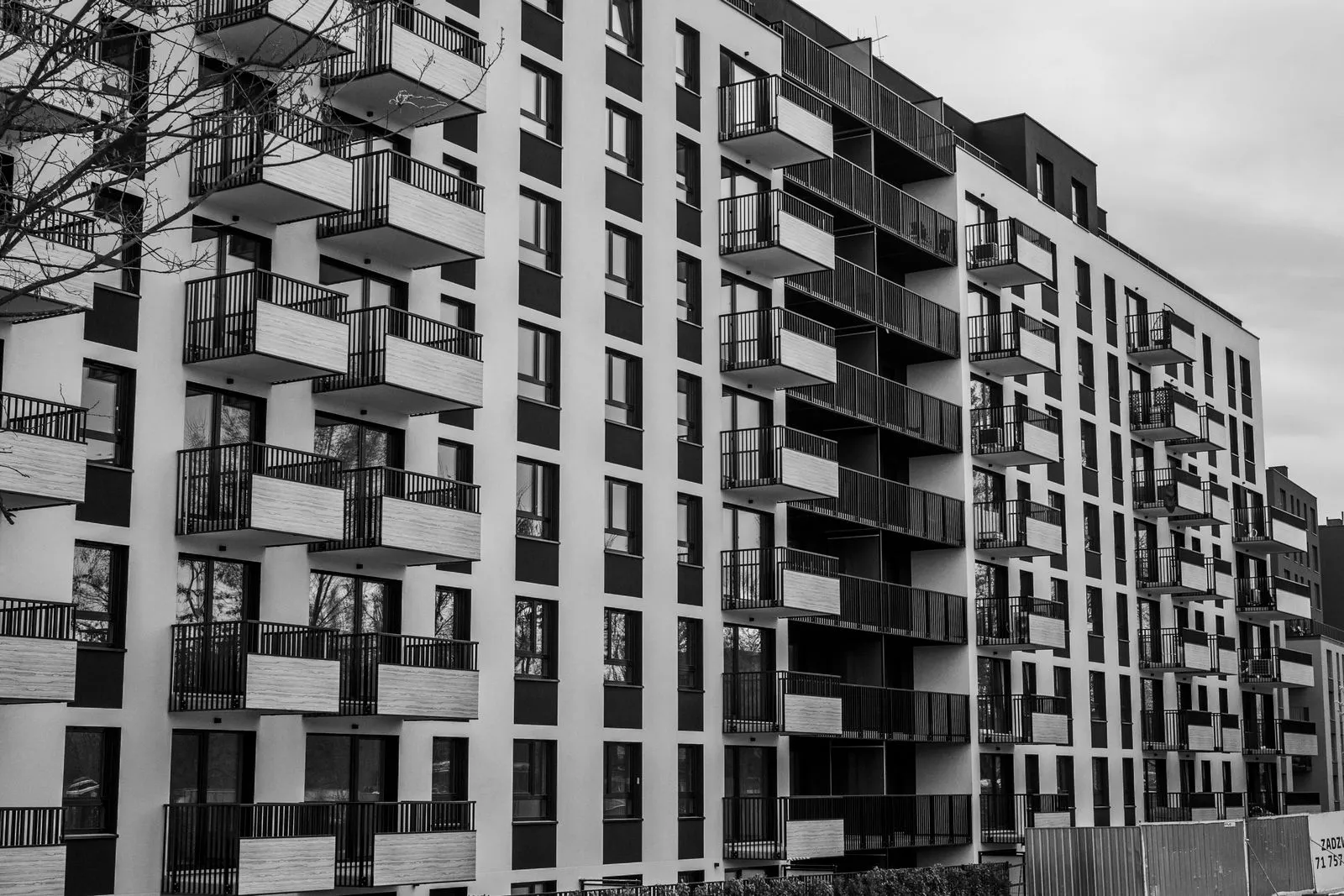
Affordable housing property management involves more than collecting rent or responding when something breaks. A manager helps residents navigate everyday questions, coordinates maintenance, and keeps property records and routines in order. Clear processes can make it easier to report a concern, follow up on a repair, and understand what happens next. Knowing what management includes also helps residents and property owners understand their roles and work together to keep homes safe, functional, and well cared for.
Resident communication and support
Residents need a dependable way to ask questions, report problems, and receive updates. Property management typically provides a point of contact and explains how to submit requests, which issues need urgent attention, and when to expect a response. Keeping communication clear helps prevent small concerns from being overlooked and gives residents a practical path to follow when they need assistance.
Managers may also share information about lease requirements, building procedures, community rules, and scheduled work. They can clarify which requests fall under property management and which responsibilities belong to residents. For sensitive or complex concerns, residents should ask how to document the issue and who will handle the follow-up.
Maintenance from report to repair
Maintenance coordination starts with receiving a report and understanding the problem. A manager records the location and details, checks whether the issue requires urgent attention, and arranges an appropriate repair. Residents can help by describing what happened, when it began, and whether the problem is affecting essential services or creating a safety concern.
After arranging service, management tracks the request, coordinates access, and communicates relevant updates. Some repairs may require an inspection or follow-up visit, while others depend on parts or contractor availability. Residents should use the designated reporting channel and promptly share changes in the problem so the team can adjust its response.
Organized day-to-day operations
Reliable operations depend on accurate records and repeatable routines. Property managers may organize maintenance histories, resident communications, inspections, vendor details, and lease-related documents. Consistent recordkeeping helps a team see what has already been addressed, identify outstanding work, and pass useful information to the right person.
Managers also coordinate recurring tasks such as property checks, shared-area care, and planned maintenance. When schedules or building procedures change, timely notices help residents prepare. If you are unsure how a routine task is handled, ask where to find the relevant guidance and how to report a missed service or unresolved concern.
Shared responsibilities and follow-up
Property management works best when both the team and residents know what they are responsible for. Residents should follow reporting procedures, provide access for scheduled repairs when arranged, and keep contact details current. Management should explain next steps, record requests, and provide updates when plans change.
For an unresolved issue, keep a brief record of when you reported it, the channel you used, and any response you received. Follow up through the property’s established contact method and include new details that may help resolve the matter. A clear written trail can make it easier for everyone to understand the status and agree on what happens next.
Affordable housing property management brings resident communication, maintenance coordination, and daily operations into one organized process. Residents can make that process work better by using the designated contact channels and sharing clear details about concerns. For questions about how these services are handled at a specific property, contact the management team and ask about its reporting and follow-up procedures.